$InteractiveSpaces
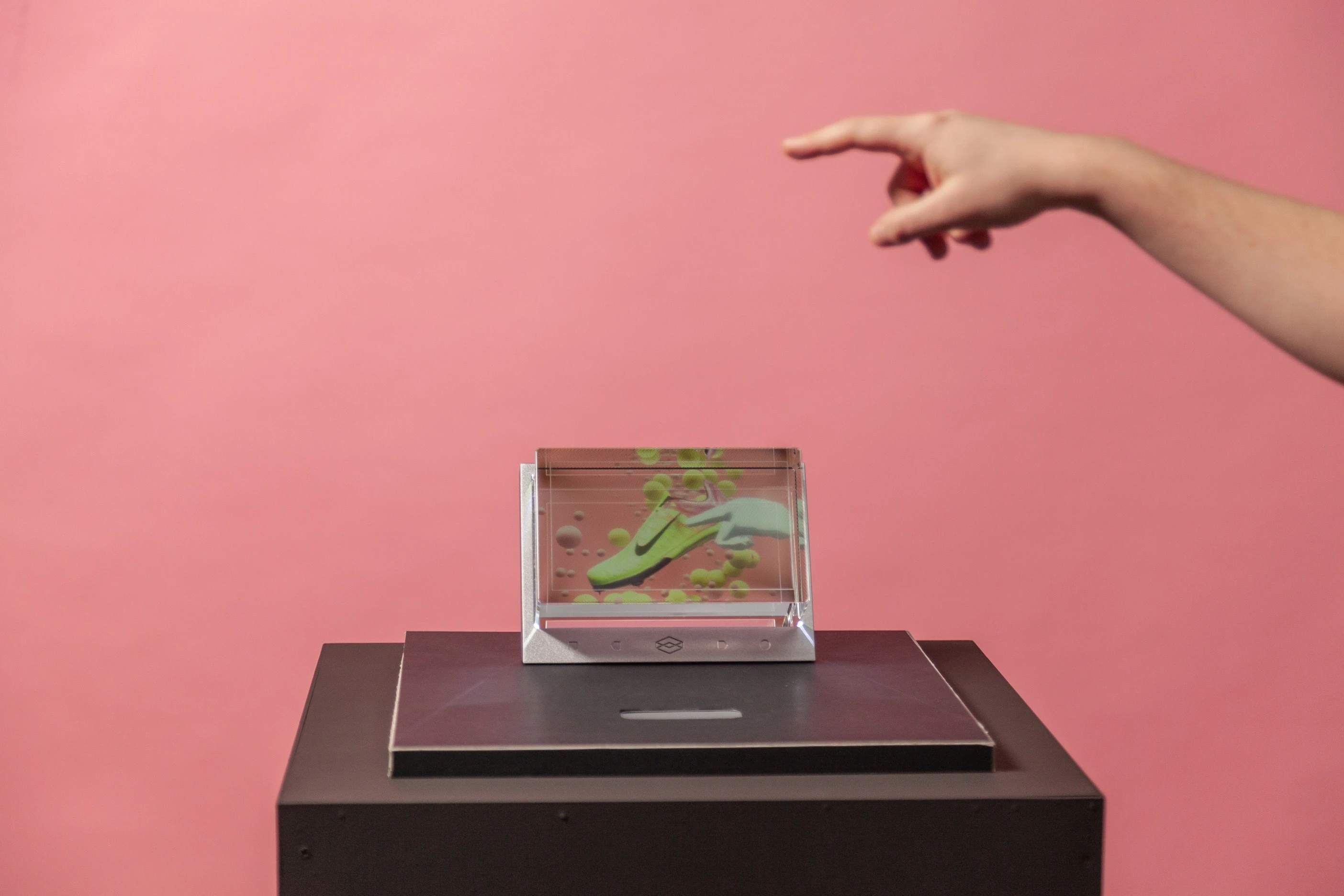
Interactive spaces invite viewers to become participants, either in the physical world, virtually, or in mixed reality. Designing for these spaces combines a lot of technical and creative work, bridging technological gaps with new ideas.
Mixed Reality Interactions
Using a Vive XR Elite as our headset of choice, we went out to explore mixed reality with pass-through cameras. During the years virtual reality devices moved from being a fun novelty to tools made for production as well as exploration. Using the, at the time, still super fresh passthrough modes, I took a closer look at how to mix virtual interactions within the physical space.
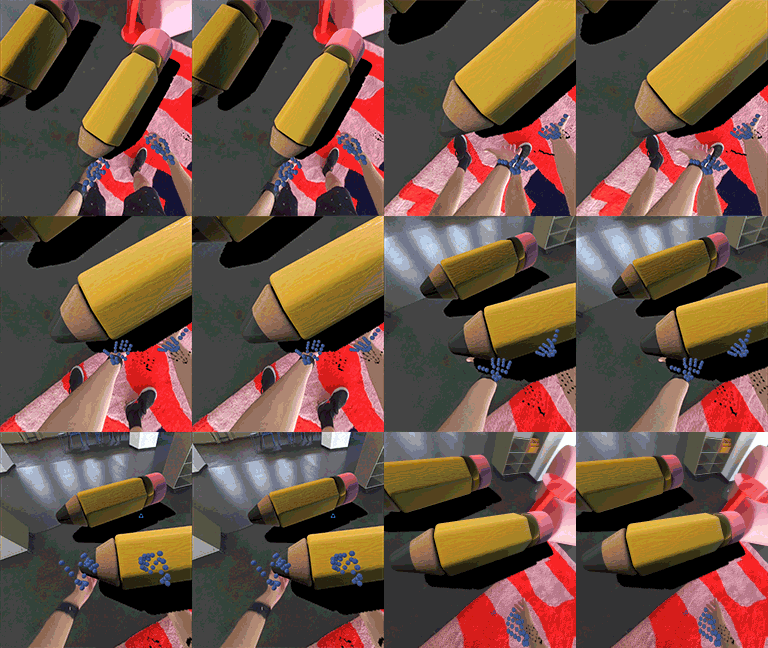
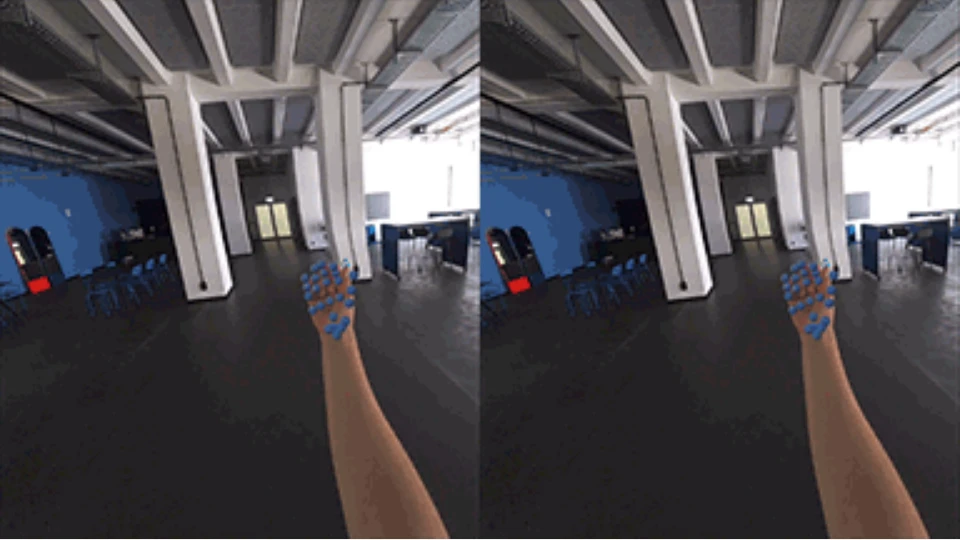
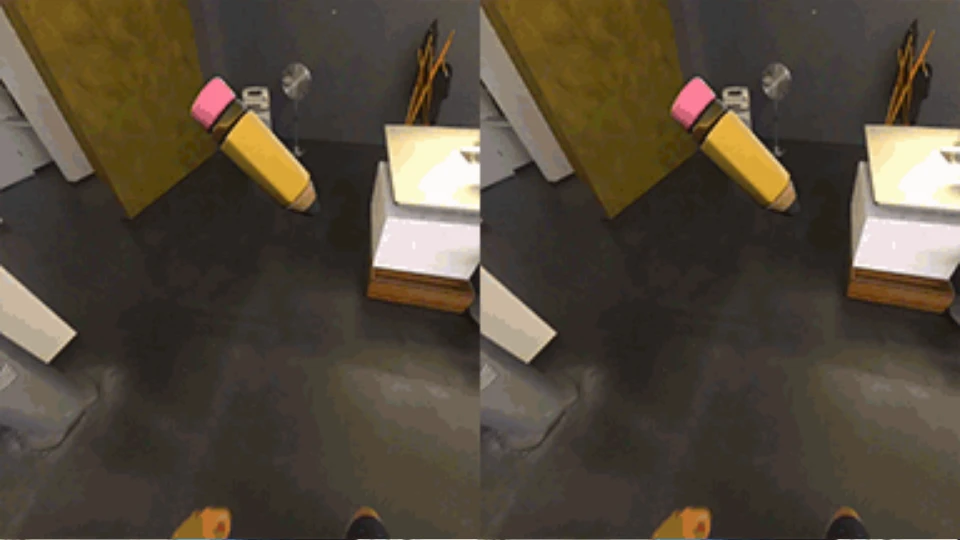
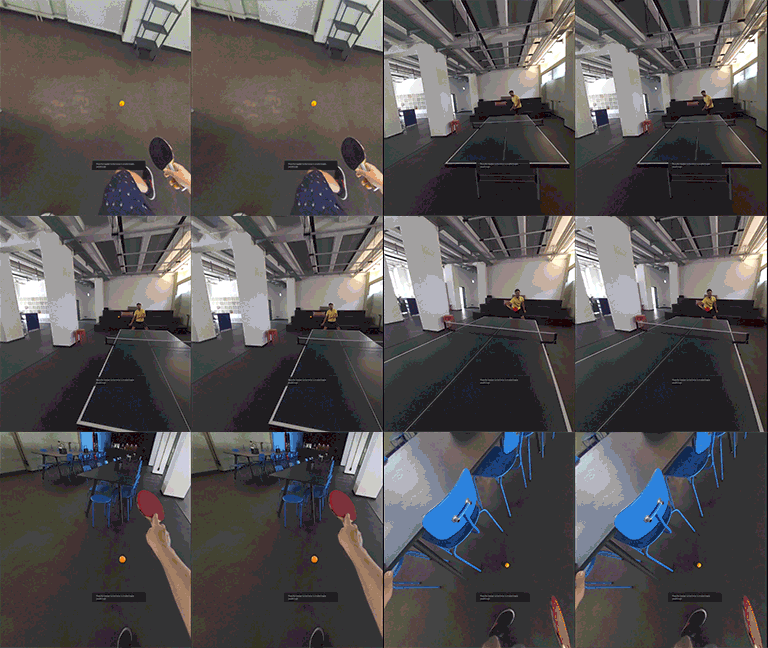
One thing that impressed me a lot is that the device was able to keep up a very tight 90Hz camera and display synchronization. Making it possible to even play a game of table tennis while only seeing the world with the pass-through camera.
tenkigo (2024)
I set out to combine data visualizations with state-of-the-art augmented reality features just when image segmentation was available on consumer mobile devices via the Niantic Lightship ARDK.
You can read more about the project on the denkwerk blog
My teammate Joshua also did a thorough write-up of some of the more technical aspects of the project; he did take care of all the technical implementation and UI development. My role was the general direction of the project and creating a system to animate and render the 3D icons in Unity.
The project did not leave the prototype status but was built for Android and iOS. This enabled us to easily showcase the project in person and made it possible to use actual screen recordings for the video documentation.
Agency of the Year (2022)
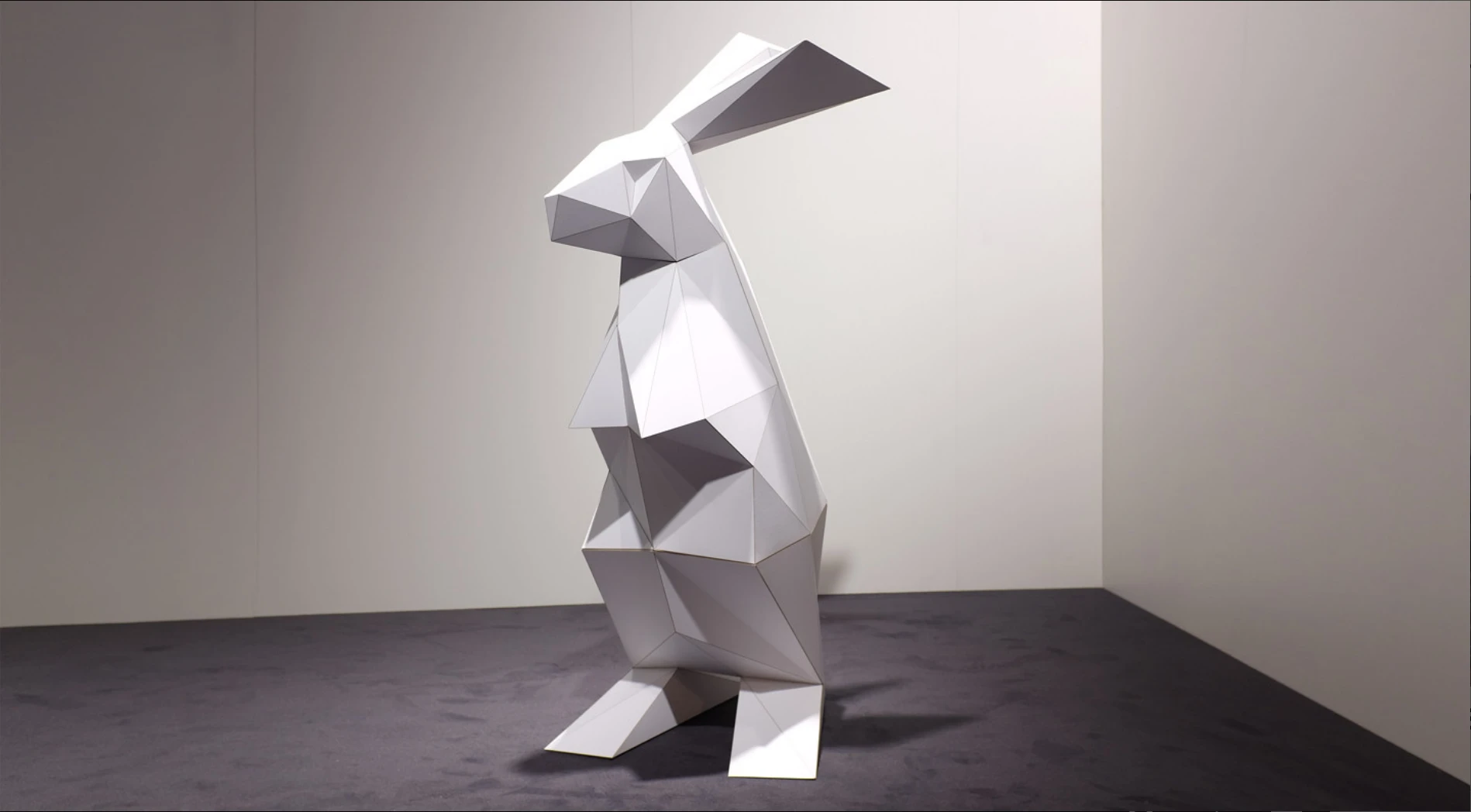
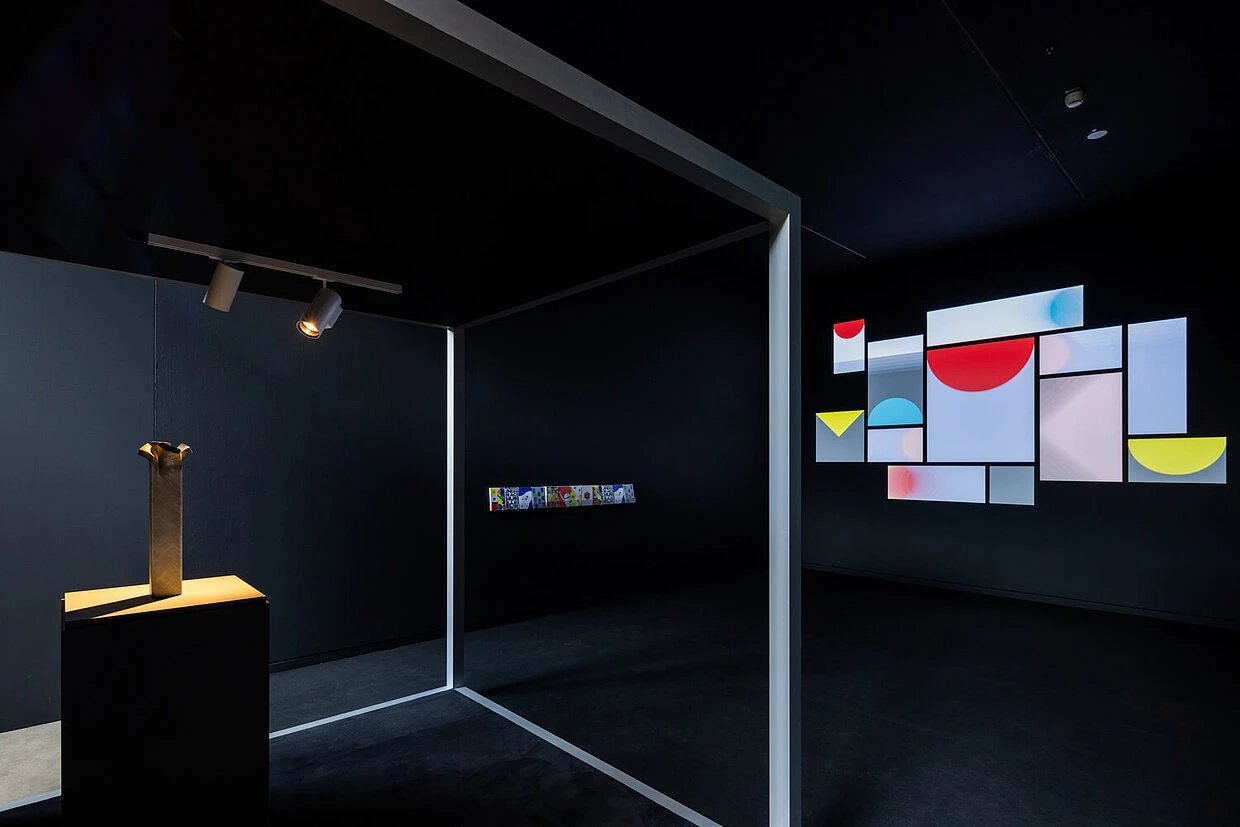
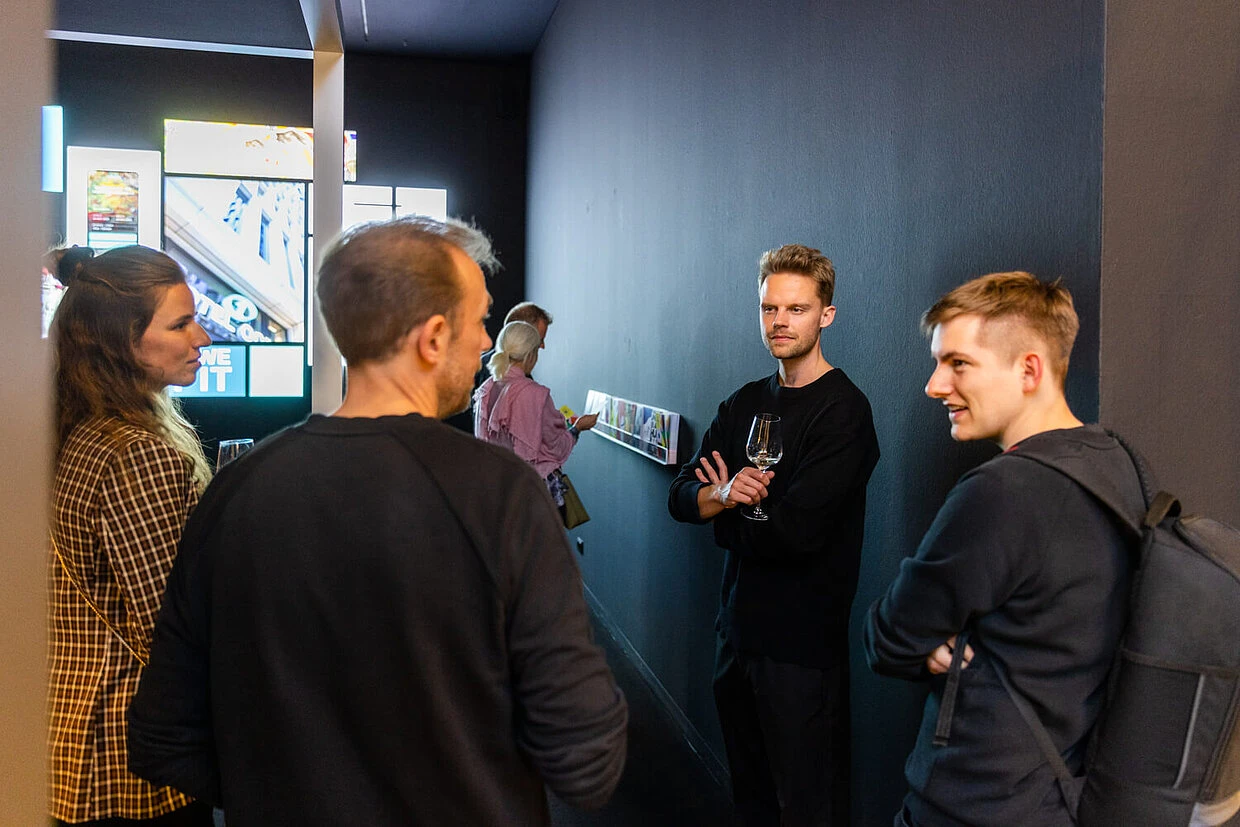
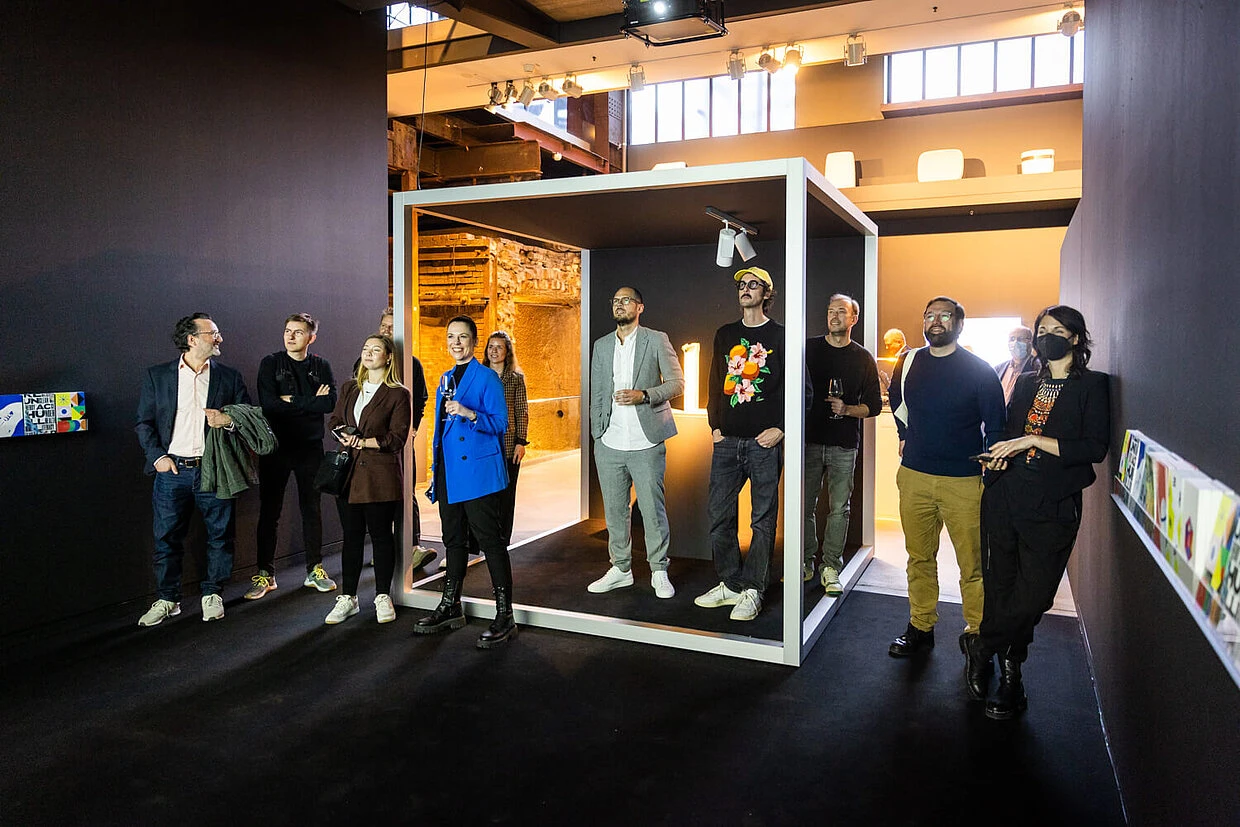
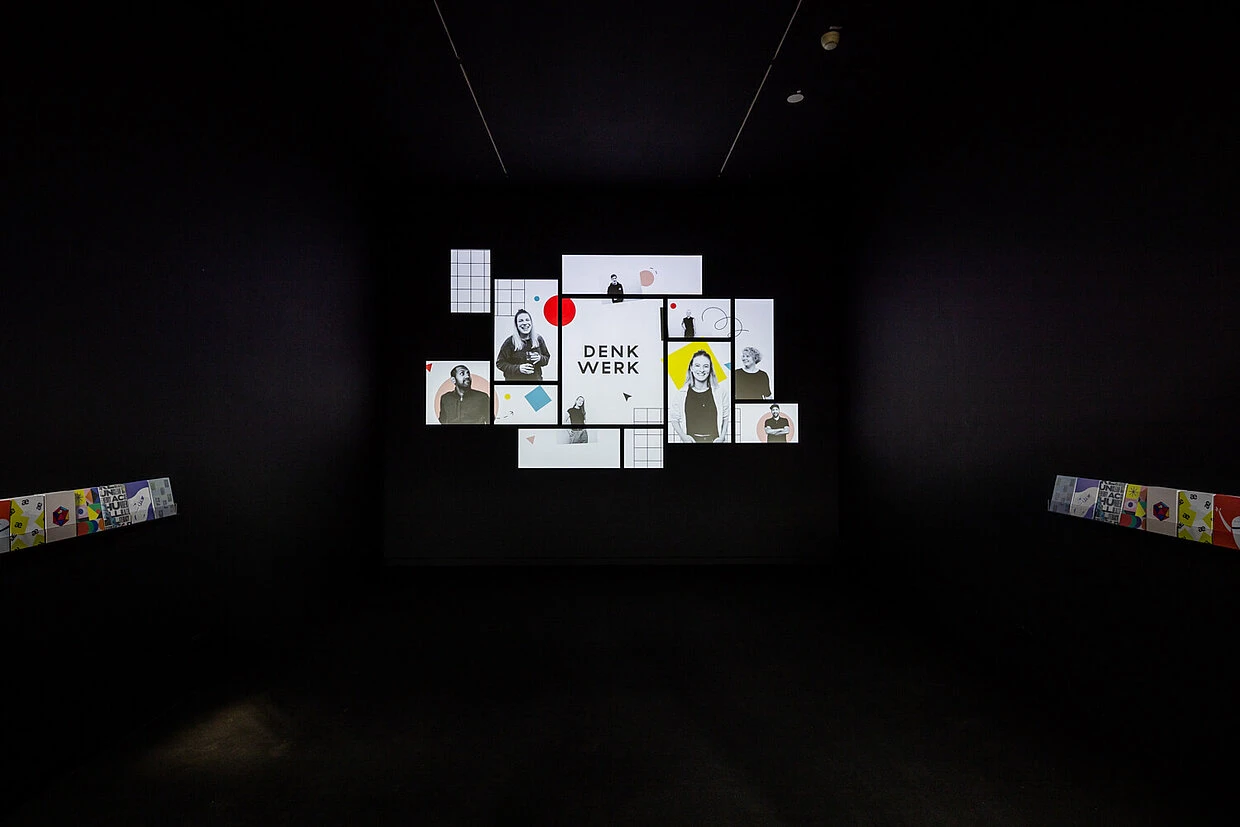
Denkwerk was honored with the title “Red Dot Agency of the Year 2021”; this was celebrated online as well as on location in the Red Dot Design Museum Essen. For that celebration, we developed a small exhibition space showcasing 20 years of outstanding design by denkwerk. For that, we projected a large-scale animation on separate white canvases, obscuring the common 16:10 aspect ratio of the hardware. And celebrating the many shapes and sizes of the digital displays denkwerk uses for their design work.
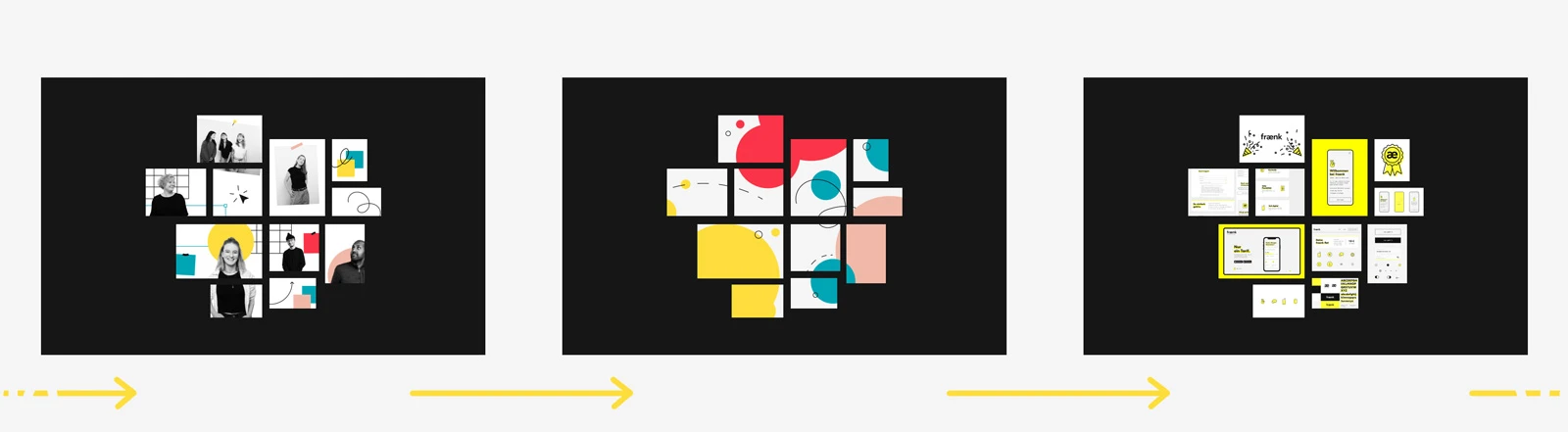
I was involved in planning the exhibition from the start and made sure the simple projection stands out as a worthy installation. This meant connecting the vision of our design team with the physical limitations of the service provider Njegovan, who would manufacture and set up the hardware. During that time, I took multiple trips to Essen to make sure the manufactured elements would line up as intended with the animation.
Magic Billboard (2019)
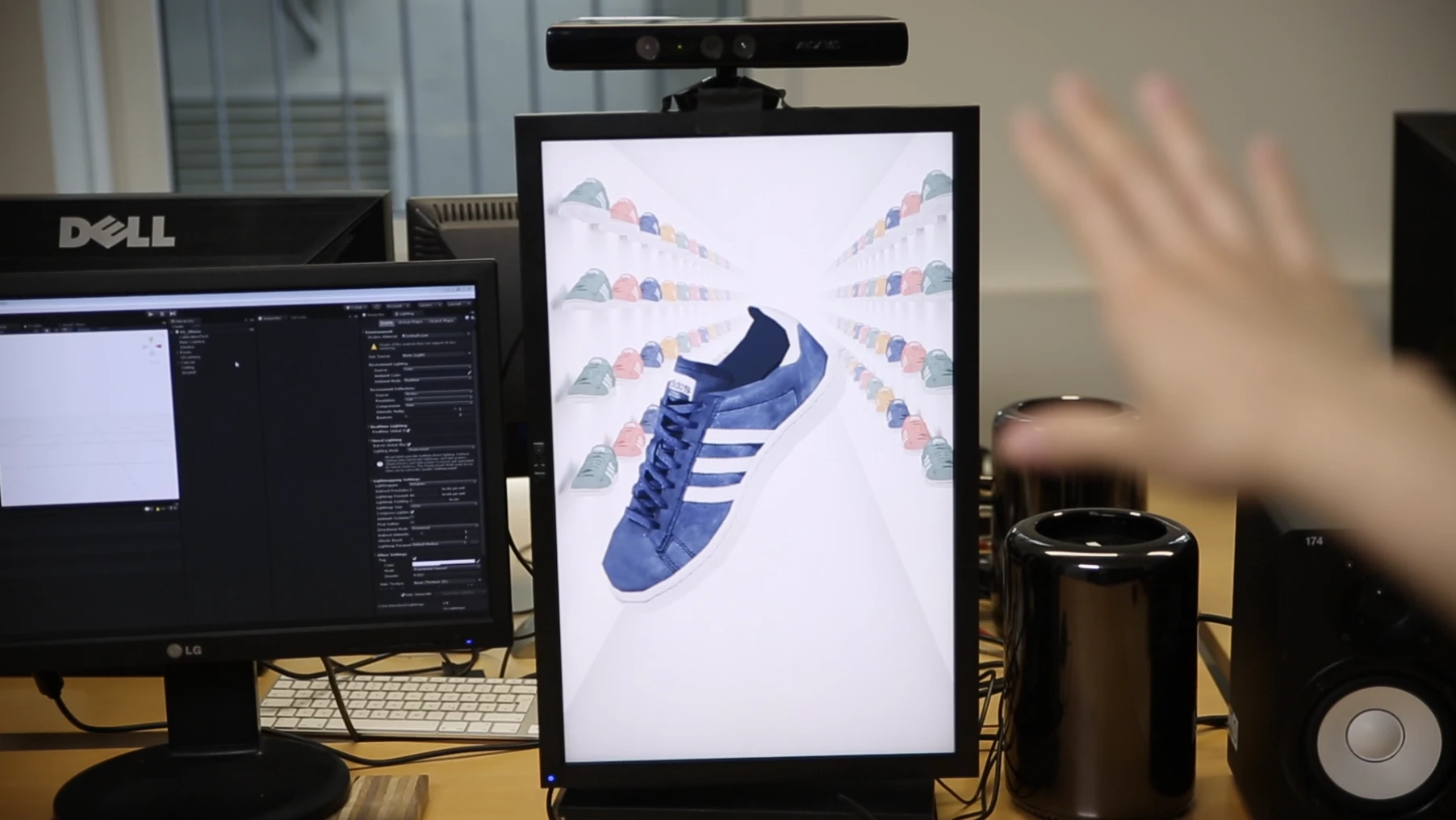
Based on a simple head-tracking mechanism, a very large conference display and a Kinect 2 camera we built a so-called “magic billboard”. We used the depth camera for tracking the gaze of the person closest to the display, and then also enable them to manipulate the scene with simple hand gestures.
Virtual Projector (2019)
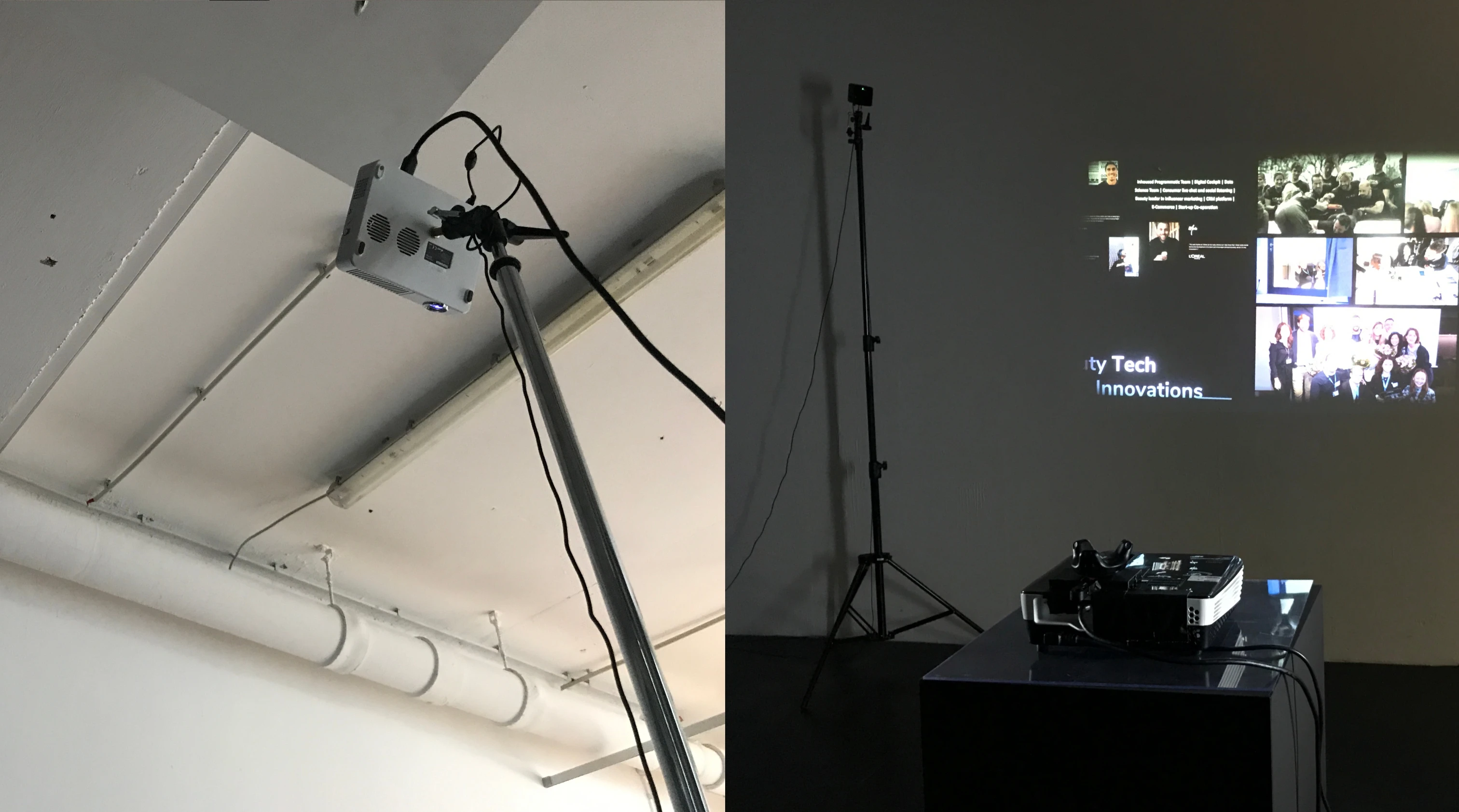
During 2019 we did multiple smaller projects developing a virtual projector mapping system. Driven by the HTC Vive and its trackers the software would be first mapped to the exhibition space, after this one-time configuration a prepared projector would act as a virtual torch light and open doors to virtual worlds or information canvases.
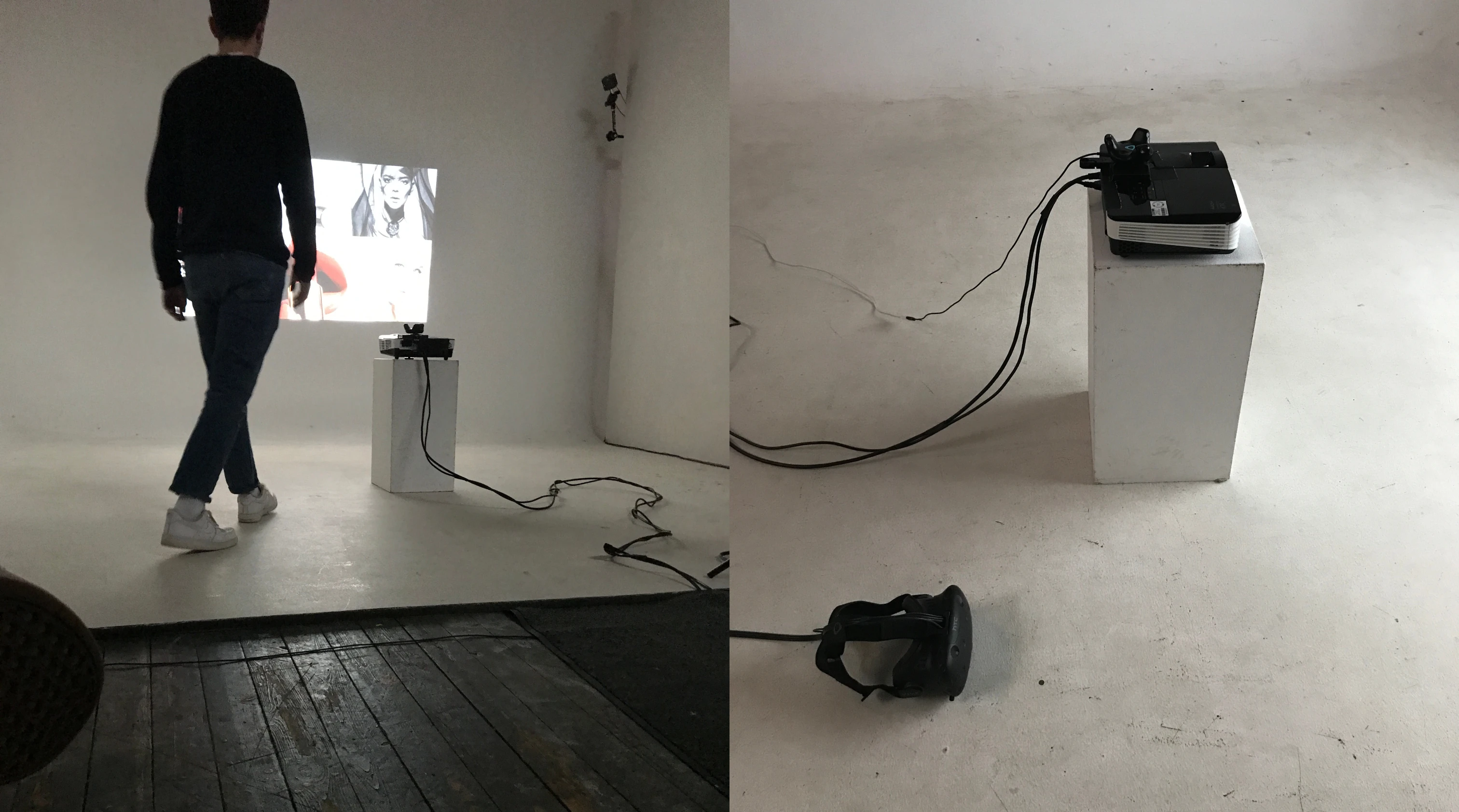
We did build multiple versions, which would work with common office projectors, super light battery driven projectors and other more common setups with fixed projectors. As we were facilitating the HTC Vive trackers for object tracking, we could easily use the regular Vive controllers for the mapping process or other debugging tasks.
Tintoretto2go (2017)
The exhibition Tintoretto – A Star was Born was held at the Wallraf-Richartz Museum in Cologne, marking the 500th birthday of the Venetian painter. For this occasion denkwerk supported with an augmented reality scavenger hunt.
While the visuals might not look that impressive today, the natural feature tracking by the Vuforia engine delivered a clean and performant AR experience.
-
- Red Dot Design Award (2018), Wallraf-Richartz-Museum & Fondation Corboud
Synesthesia (2016)
Denkwerk supported the Deutsche Synästhesie Gesellschaft e.V. with their endeavours of spreading the word about what synesthesia actually means for people in the community. I not only supported by videographing many interviews with people from the organization but also with professionals. Part of the project was a guided VR application that tries to bring synesthesia closer to the public – by using the very close and intimate mobile VR technology to emulate parts of it.
For me the biggest challenge was to be true to what those interviewed described – and the very limited resources of mobile VR at the time. Later when creating the
-
- Golden Awards of Montreux (2018), Deutsche Synästhesie-Gesellschaft
-
- Red Dot Design Award, Red Dot Design Award, Red Dot Design Award (2017), Deutsche Synästhesie-Gesellschaft
Beats & Byts
- Beats & Bytes
-
- iF Design Award (2015), Web de Cologne e. V. Interactive Cologne
-
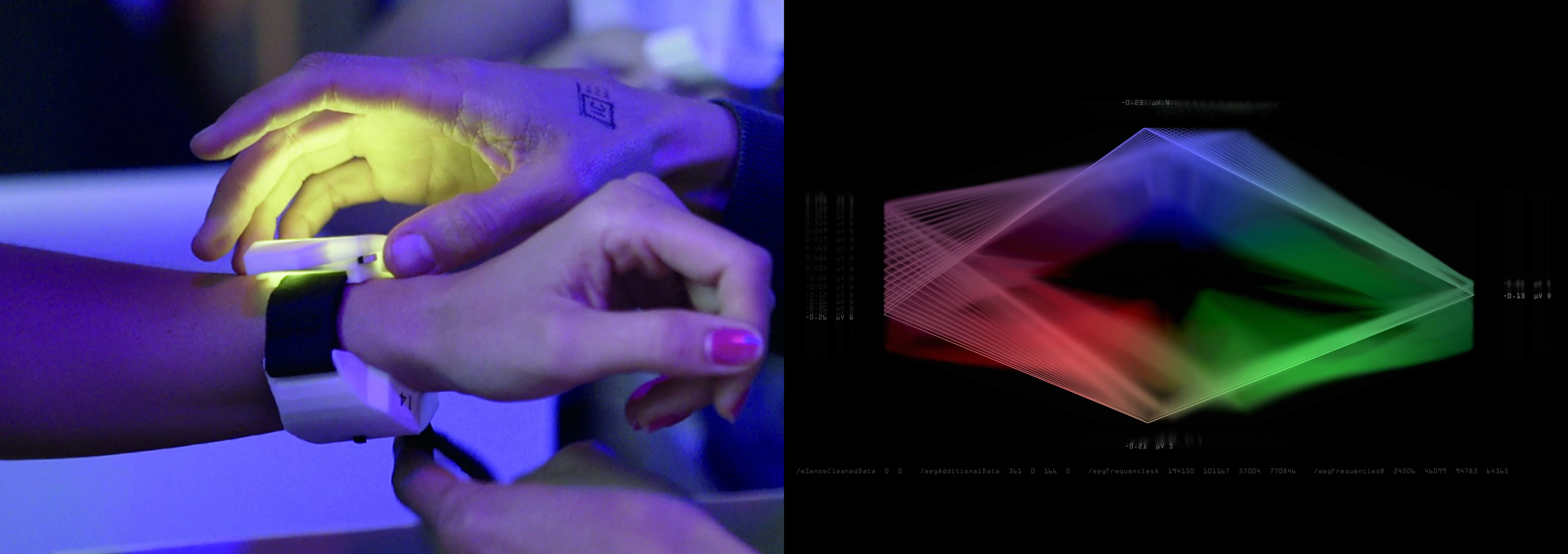
- Realtime EEG reactive visuals with Quartz Composer, VJ set with data from DIY fitness trackers, casefilm support, Motion Design Elements and Projection Mapping.
Google Cardboard Experience (2015)
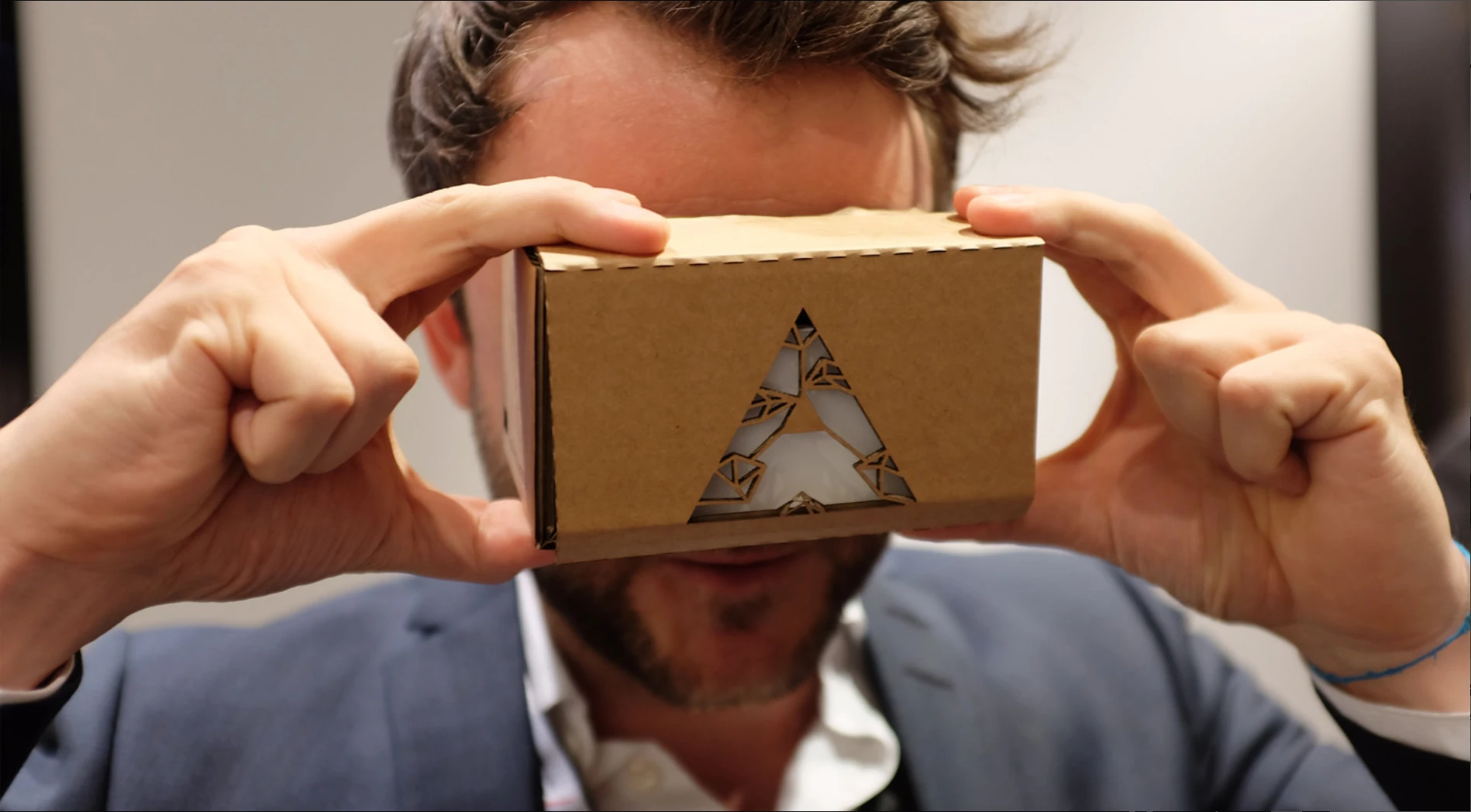
In 2015 I worked closely together with the design team and created a VR Experience for Google Cardboard. At the time the simple device made from cardboard and two acrylic lenses was giving the ones who held it in front of their eyes a glimpse into what mobile VR could be in the future. This was the first project I shipped with Unity for iOS and Android mobile devices.